Home / Reverse osmosis water filtration
Reverse osmosis water filtration
Know exactly what you are looking for? Shop by reverse osmosis brand, product name, or any other keywords using the search bar below.
| Shop by reverse osmosis filtration category
What kind of RO product are you looking for?
Reverse Osmosis Systems
Complete under-sink systems for great-tasting, purified drinking water at home.
Shop RO Systems →### Reverse Osmosis Filters Replacement sediment and carbon cartridges to keep your system performing.
Shop Filters →### Reverse Osmosis Faucets RO dedicated drinking water taps in finishes to match any kitchen.
Shop Faucets →### Reverse Osmosis Membranes Replacement TFC membranes in a range of flow rates and sizes.
Shop Membranes →### Reverse Osmosis Parts Tubing, fittings, tanks, etc. for installs and repairs.
Shop Parts →### Chillers & Accessories Inline chillers and add-ons for cold, filtered water on demand.
Shop Accessories →
About reverse osmosis filtration
An RO water system works by pushing water through a semi-permeable membrane under pressure. The membrane has pores so small that water molecules pass through while dissolved solids, heavy metals, and most other contaminants are rejected and flushed to drain. The name comes from the fact that this is the reverse of natural osmosis, where water moves across a membrane from the less concentrated side to the more concentrated side. In reverse osmosis filtration, household water pressure (or a booster pump) forces water the other way, from the contaminated side to the clean side, leaving the impurities behind.
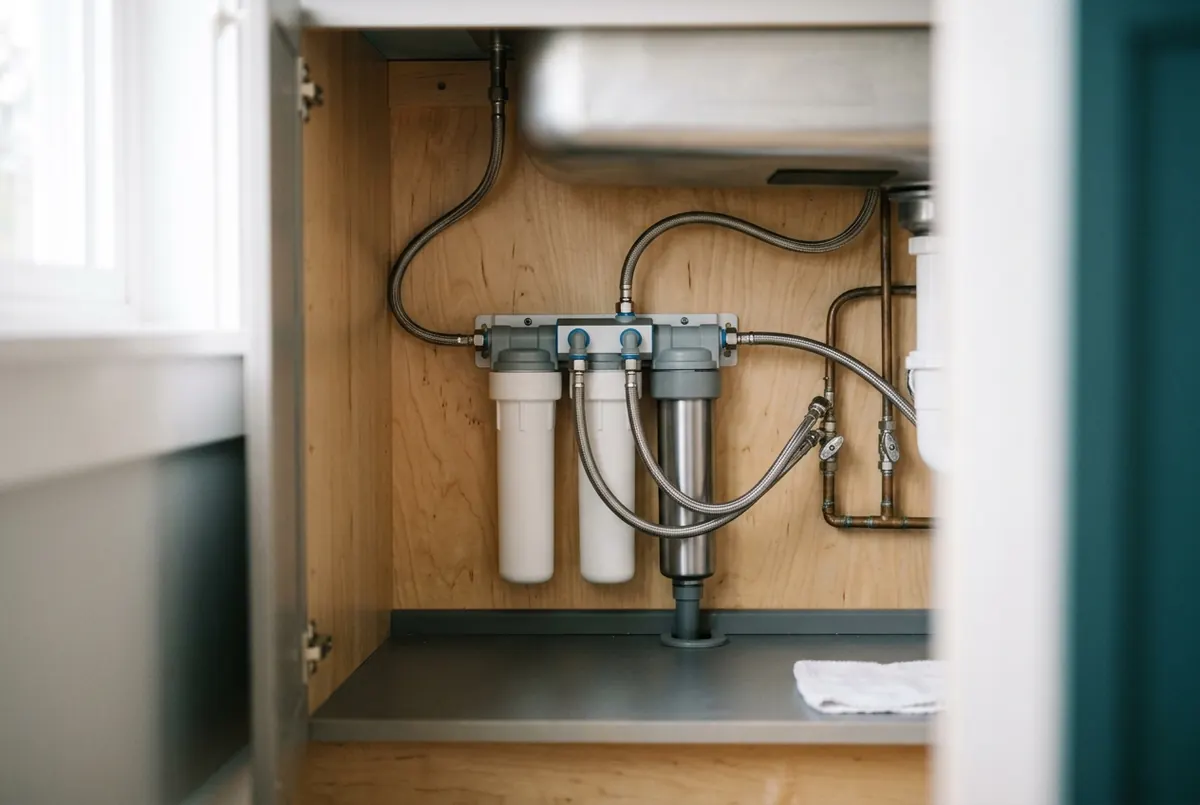
A complete RO (reverse osmosis) water system is more than just the membrane. Water first passes through a sediment pre-filter to remove particles that would clog the membrane, then through a carbon pre-filter to remove chlorine or chloramine, which would otherwise damage it. After the membrane, the purified water is stored in a small pressurized tank and passes through a final carbon polishing filter on its way to the faucet. Each stage has a job, and reverse osmosis filtration only performs as designed when all of them are maintained on schedule.
Reverse osmosis filtration is effective against a broad range of contaminants that other point-of-use filters cannot touch, including lead, arsenic, nitrate, fluoride, sodium, PFAS, and total dissolved solids. A properly operating membrane typically rejects 95 to 99 percent of dissolved solids, which is why an RO water system is the standard choice for drinking water on wells with challenging chemistry and for households on municipal water who want the cleanest possible water for drinking and cooking. It does not remove dissolved gases like radon, and it is not a substitute for disinfection on water that is microbiologically unsafe.
Reverse osmosis filtration FAQ
How does reverse osmosis filtration work?
Reverse osmosis filtration uses water pressure to push water through a membrane with pores small enough to block most dissolved contaminants. Clean water passes to the storage tank while the rejected contaminants are flushed to drain. Pre-filters protect the membrane from sediment and chlorine, and a post-filter polishes taste before the water reaches the faucet.
Is reverse osmosis filtration safe for drinking water?
Yes. Reverse osmosis filtration is one of the most widely used methods for producing safe drinking water, both in homes and in bottled water plants. The water it produces is low in minerals, which some people find tastes flat, but there is no evidence that drinking low-mineral water is harmful for people eating a normal diet. Remineralization filters are available if you prefer the taste.
Can reverse osmosis filtration be used on well water?
Yes, and it is often the best choice for wells with nitrate, arsenic, sodium, or high dissolved solids. The important step is to test the water first. Iron, manganese, hardness, and bacteria all need to be addressed ahead of the membrane, since reverse osmosis filtration will foul quickly or fail to protect you if those problems are left untreated.
Can reverse osmosis filtration be used for the whole house?
Whole house reverse osmosis filtration exists but is rarely practical. It requires a large membrane array, a storage tank of several hundred litres, repressurization, and significant reject water. It is used on wells with very high sodium or dissolved solids where no other treatment works. For most homes, a point-of-use RO water system for drinking and cooking is the sensible choice.
Is an RO water system worth it compared to a pitcher or faucet filter?
If your concern is taste and chlorine only, a carbon filter may be enough. If you want to remove lead, arsenic, nitrate, fluoride, PFAS, or dissolved solids, reverse osmosis filtration is the only point-of-use option that handles all of them.
How often do I need to replace the filters in a reverse osmosis filtration system?
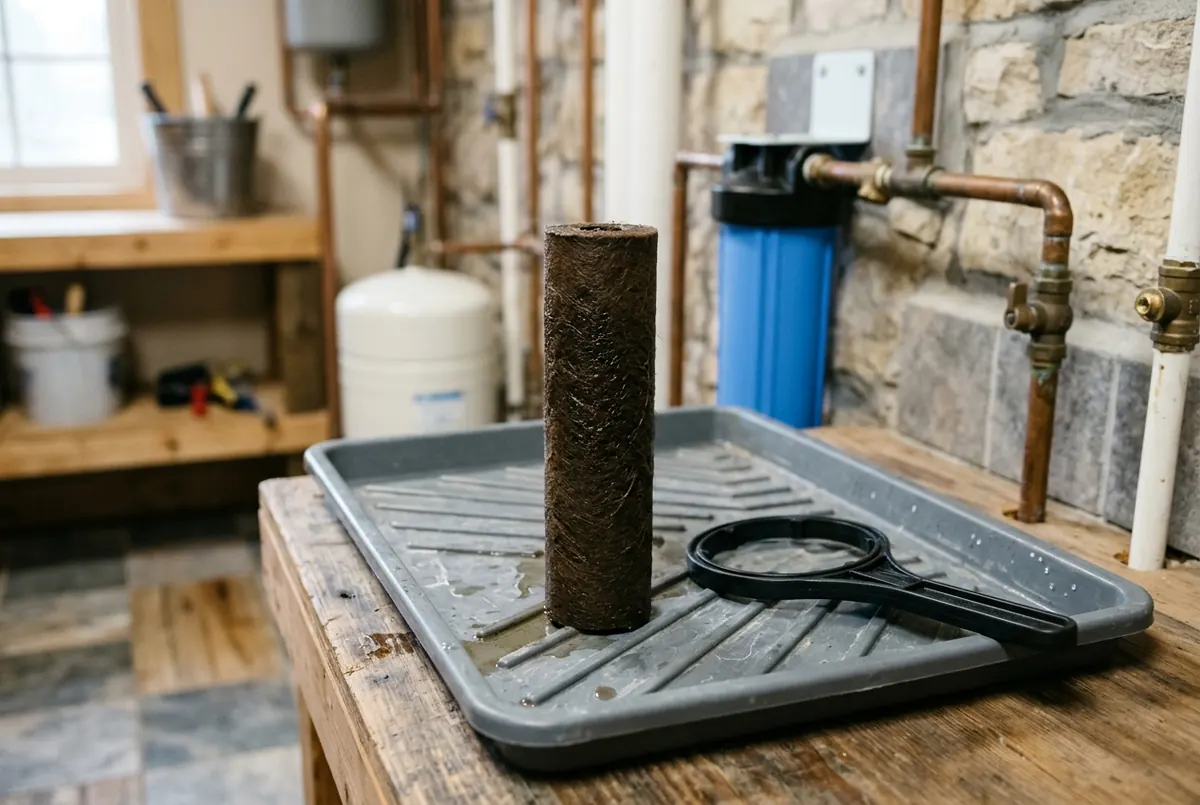
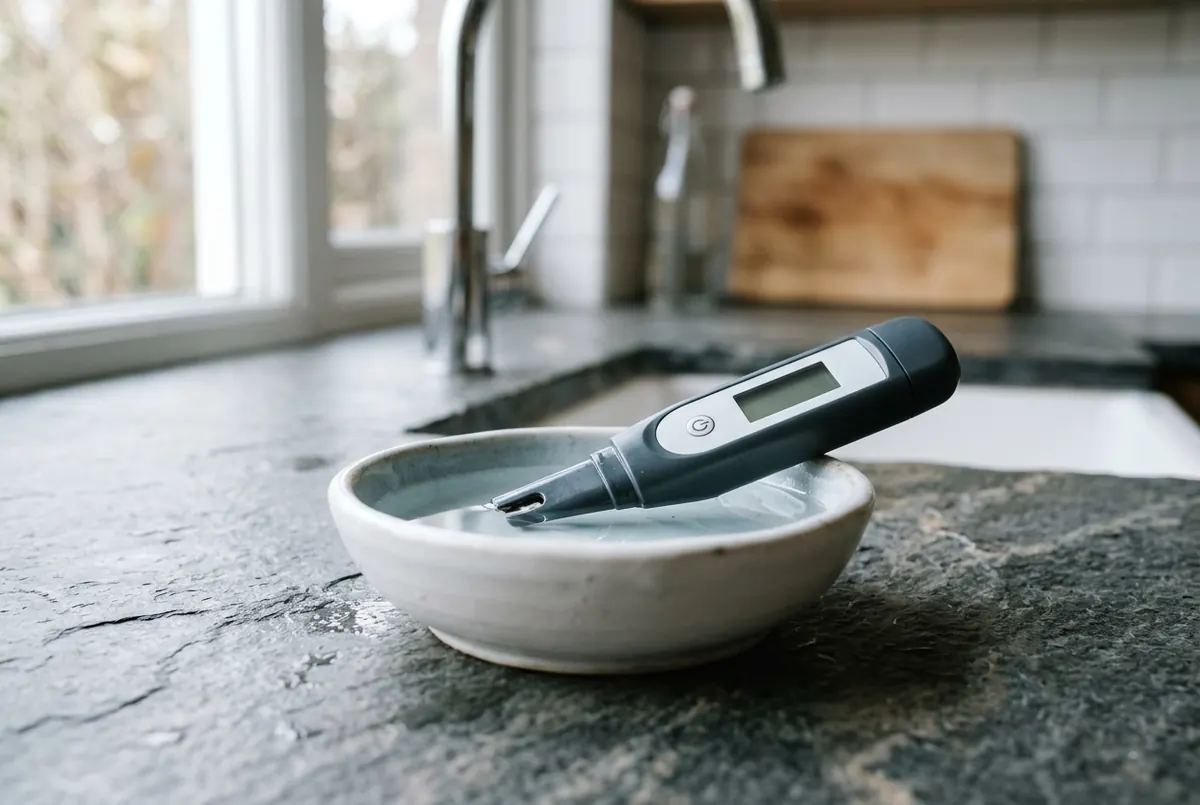
Sediment and carbon pre-filters in a reverse osmosis filtration system are usually replaced every six to twelve months. The membrane itself typically lasts two to five years depending on water quality and how well the pre-filters are maintained. A simple TDS (total dissolved solids) meter will tell you when membrane performance has dropped and it is time to replace it.