Chlorine or chloramine in United States city water
Looking for your city's water disinfectant type in the United States – we've got it! We've verified each set of data and acquired it directly from primary sources. Typically, this means we located the data in municipal water quality reports or contacted municipal water utilities directly to confirm whether they use chlorine or chloramine as their primary disinfectant. Simply click on the state you're in, and find your city. If your city is missing – let us know – and we'll add it in right away!
Browse by state
Click your state to see the full list of cities and their disinfectant type.
- Alabama (5 cities)
- Alaska (3 cities)
- Arizona (7 cities)
- Arkansas (5 cities)
- California (12 cities)
- Colorado (5 cities)
- Connecticut (5 cities)
- Delaware (3 cities)
- District of Columbia (2 cities)
- Florida (12 cities)
- Georgia (5 cities)
- Hawaii (4 cities)
- Idaho (5 cities)
- Illinois (5 cities)
- Indiana (5 cities)
- Iowa (5 cities)
- Kansas (5 cities)
- Kentucky (5 cities)
- Louisiana (5 cities)
- Maine (4 cities)
- Maryland (5 cities)
- Massachusetts (5 cities)
- Michigan (5 cities)
- Minnesota (7 cities)
- Mississippi (5 cities)
- Missouri (5 cities)
- Montana (5 cities)
- Nebraska (4 cities)
- Nevada (7 cities)
- New Hampshire (4 cities)
- New Jersey (5 cities)
- New Mexico (4 cities)
- New York (5 cities)
- North Carolina (5 cities)
- North Dakota (4 cities)
- Ohio (5 cities)
- Oklahoma (5 cities)
- Oregon (5 cities)
- Pennsylvania (5 cities)
- Rhode Island (4 cities)
- South Carolina (5 cities)
- South Dakota (3 cities)
- Tennessee (5 cities)
- Texas (12 cities)
- Utah (5 cities)
- Vermont (4 cities)
- Virginia (5 cities)
- Washington (5 cities)
- West Virginia (4 cities)
- Wisconsin (5 cities)
- Wyoming (4 cities)
Don't see your state or city yet? We are adding new data regularly. Request your city and we'll prioritize it!
Understanding the data - why disinfectant type matters
Although both chlorine and chloramine are approved disinfectants for U.S. drinking water systems, they behave quite differently once they enter the distribution system. These differences can influence:
- Disinfection by-products – the types and levels of chemical by-products that can form as treated water travels through pipes
- Distribution system stability – how long the disinfectant remains effective as water moves from the treatment plant to the tap
- Taste and odour – the smell or flavour some people notice in their drinking water
- Plumbing compatibility – how the disinfectant interacts with household and building plumbing materials
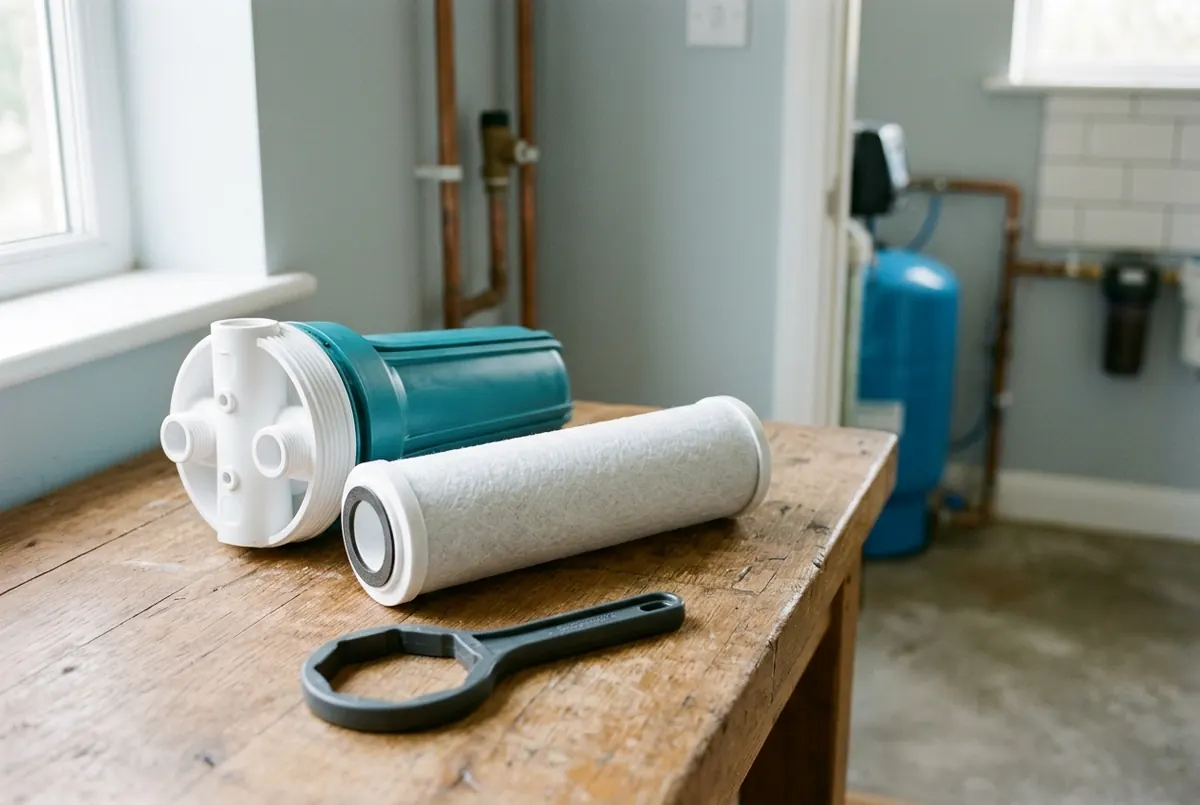
- Treatment selection – which point-of-use or whole-home filtration systems are effective for reducing or removing the disinfectant
Knowing whether your water is treated with chlorine or chloramine is incredibly helpful for choosing the right compatible water filters, whole-house systems, and other treatment products. This information allows individuals and organizations to better understand their local water supply and make informed decisions about water treatment, maintenance, and risk management.
Disinfectant removal
Some households and businesses choose to reduce or remove disinfectants from their municipal water supply for a variety of reasons, including taste, odour, or specific use requirements. If you are considering options to address chlorine or chloramine in your water, the solutions below can be reviewed based on disinfectant type and intended application.
- Whole Home Chlorine Removal Filter
- Chlorine Removal Filter Cartridges
- Whole Home Chloramine Removal Filter
- Chloramine Removal Filter Cartridges
Need to know your City's Water Hardness too?
Check out our comprehensive water hardness data for U.S. municipalities. All data is obtained directly by Aquatell from verified primary sources.
Need to know your City's Water Hardness too?
Check out our comprehensive water hardness data for US municipalities. All data is obtained directly by Aquatell from verified primary sources.